 Skip to content
Choosing the best electric dirt bike requires balancing power, range, and durability for your riding style. The ideal model delivers thrilling performance with zero emissions, merging eco-conscious innovation with serious off-road capability.
Understanding Electric Dirt Bike Categories
Navigating the world of electric dirt bikes begins with understanding their distinct categories, which define their terrain and purpose. Youth models offer scaled-down power for developing skills, while trail bikes provide quiet, torquey rides for forest paths. The high-performance electric motocross bikes deliver instant power for track jumps, and endurance-focused enduro models tackle mixed, long-distance terrain. Each category whispers a different promise of adventure. Recognizing these classes is crucial for matching rider to machine, ensuring the off-road experience is both thrilling and perfectly suited to the landscape ahead.
Youth and Beginner Models for New Riders
Navigating the world of electric dirt bikes begins with understanding their distinct categories, each designed for a specific type of adventure. At the entry-level, lightweight youth bikes offer a gentle introduction to off-road riding. For casual trail explorers, trail bikes provide balanced power and range for weekend excursions. The pinnacle of performance is found in competition-ready motocross models, built for aggressive track riding with instant torque and advanced suspension. This **electric dirt bike classification** helps riders match their ambition to the perfect machine, ensuring every ride is charged with the right kind of excitement.
High-Performance Adult Trail Bikes
Navigating the world of electric dirt bikes begins with understanding their distinct categories, each designed for a specific type of terrain and rider. At the entry-level, youth models offer manageable power for learning control. Trail bikes prioritize torque and range for exploring wooded paths, while lightweight motocross machines deliver explosive power for track jumps and racing. Choosing the right electric dirt bike is crucial for both safety and enjoyment. It’s a journey from quiet backyard laps to mastering challenging single-track. Recognizing these classes ensures your first ride sparks a lasting passion, not frustration.
Competition-Grade Motocross Machines
Understanding electric dirt bike categories is essential for matching a rider’s skill and terrain to the right machine. They are primarily segmented by power, wheel size, and intended use, ranging from mild youth models to high-performance adult bikes. Key classifications include trail bikes for casual off-roading, motocross models for track racing, and endurance-focused enduro bikes. This electric dirt bike classification system ensures riders can find a bike with appropriate speed, torque, and suspension for their specific riding style and environment, promoting both safety and maximum enjoyment on the trail.
Key Performance Metrics to Evaluate
When tracking your project or business, it’s smart to focus on a few key performance metrics instead of getting lost in data. You’ll want to watch your customer acquisition cost against customer lifetime value to ensure healthy growth. For engagement, track active users and churn rate closely.
Ultimately, your conversion rate is often the clearest signal of whether your core offering resonates with the market.
Don’t forget financial health indicators like monthly recurring revenue and gross profit margin, as these are the bedrock of sustainability. Keeping an eye on this mix gives you a balanced, actionable picture of performance.
Motor Power and Torque Output
To see if your content is working, focus on a few key performance metrics. Track organic traffic to understand your reach and user engagement metrics like time on page to gauge content quality. Most importantly, monitor your click-through rate from search results, as this directly reflects your title tag effectiveness. These insights help you refine your strategy for better search engine visibility.
Battery Range and Charging Times
To effectively gauge success, businesses must track key performance metrics that align with their strategic goals. Essential areas include financial health, measured by revenue growth and profit margins, and customer-centric indicators like Net Promoter Score (NPS) and churn rate. Operational efficiency is revealed through metrics such as inventory turnover and employee productivity. *By consistently monitoring these data points, organizations can pivot from reactive reporting to proactive strategy.* A robust **search engine optimization strategy** is ultimately powered by this data-driven insight, transforming raw numbers into a competitive advantage.
Suspension Travel and Frame Geometry
To see if your content is truly working, you need to track the right key performance metrics. Start by looking at organic search traffic, which shows your visibility in search engines. Beyond that, keep an eye on engagement rates like average time on page and bounce rate to gauge reader interest. Finally, monitor conversion metrics, such as newsletter sign-ups or contact form submissions, to see if your audience is taking the desired action. This data gives you a clear picture of what resonates and where to improve.
Top Contenders in the Current Market
The current market landscape is dominated by a few established giants and agile challengers. In technology, companies like Apple and Microsoft maintain significant market share through integrated ecosystems, while NVIDIA leads in AI hardware. The automotive sector sees Tesla as a key innovator, though traditional manufacturers like Toyota and Volkswagen compete fiercely on scale. In consumer goods, Procter & Gamble and Nestlé remain top contenders through extensive brand portfolios. Across industries, the competitive landscape is defined by continuous innovation, strategic acquisitions, and adapting to shifting consumer demands and regulatory pressures.
Premium Options for Serious Enthusiasts
The current market is dominated by a few industry-leading technology giants with immense scale and resources. Companies like Apple, Microsoft, and Alphabet consistently set the pace through innovation and ecosystem control. However, agile challengers such as Tesla in automotive or NVIDIA in AI hardware demonstrate that disruptive innovation can rapidly alter competitive landscapes. Meanwhile, robust players in enterprise software, like Salesforce and SAP, maintain strongholds in their core sectors, facing pressure from both larger conglomerates and specialized startups. The balance of power remains dynamic, influenced by technological shifts and consumer adoption.
Best Value Picks for the Money
The current market is dominated by a few industry-leading technology giants with massive ecosystems. Companies like Apple, Microsoft, and Alphabet continue to set the pace through innovation and deep customer loyalty. However, agile challengers are constantly emerging, disrupting established norms with niche products and subscription models that prioritize flexibility.
The real battle is no longer just about features, but about creating a seamless, integrated experience across all devices.
This dynamic ensures constant evolution and fierce competition for consumer attention and wallet share.
Noteworthy Models for Younger Riders
The current market is dominated by established industry leaders with deep resources and brand loyalty, such as tech giants and legacy manufacturers. However, agile disruptors and innovative startups are rapidly gaining ground by leveraging artificial intelligence and sustainable practices to capture niche segments. This fierce competition drives relentless innovation, forcing all players to continuously adapt their core offerings. Success now hinges on a company’s ability to execute a robust digital transformation strategy, integrating data and customer experience at every level to secure a sustainable competitive advantage.
Critical Features for Off-Road Riding
For true off-road mastery, your machine requires specific critical features. Advanced suspension systems with talaria ample travel are non-negotiable, absorbing brutal impacts to maintain control and traction. A sturdy chassis, high ground clearance, and aggressive, knobby tires form the foundation. Reliable engine torque and precise throttle response are paramount for technical climbs.
Ultimately, a motorcycle’s ability to conquer terrain hinges on its power delivery and a rider’s skill to manage it.
Never compromise on quality brakes and protective components like skid plates. These off-road essentials transform a simple ride into a capable, confidence-inspiring adventure.
Ride Modes and Adjustable Power Delivery
Navigating a rugged trail demands a machine built for punishment. The ultimate off-road vehicle capability starts with high ground clearance to straddle obstacles, paired with durable suspension that absorbs brutal impacts to keep tires planted. A robust frame is the backbone, resisting torsional stress from uneven terrain. Ultimately, control is paramount, delivered by a low-range transfer case for crawling torque and aggressive, self-cleaning tire treads that claw into loose surfaces, transforming treacherous paths into conquered ground.
Braking Systems and Terrain Response
For safe and effective off-road riding, several critical features are essential. A robust suspension system with ample travel is paramount for absorbing impacts from uneven terrain. High ground clearance prevents undercarriage damage, while aggressive, knobby tires provide the necessary traction for loose surfaces. A torquey, controllable engine and a lightweight, durable frame offer the power and maneuverability needed for technical sections. Reliable off-road motorcycles integrate these elements to conquer challenging landscapes.
Durability and Weather Resistance
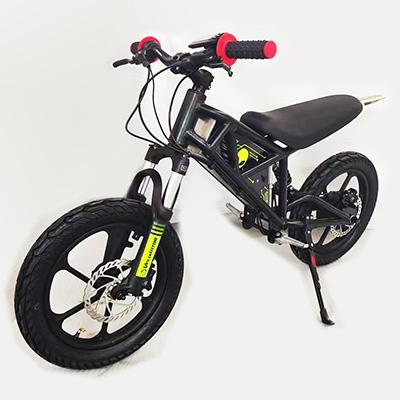
Navigating a rocky trail demands more than courage; it requires a machine built for the abuse. Off-road vehicle capabilities are defined by key features that transform terrain from obstacle to adventure. Imagine cresting a steep, loose hill; without precise throttle control and a resilient suspension soaking up every impact, you’d quickly lose momentum and traction. It’s a dialogue between rider and landscape, mediated by engineering.
Ultimately, advanced traction management systems are the decisive factor, electronically distributing power to find grip where none seems to exist.
This mechanical symphony, combining ground clearance, durable construction, and responsive brakes, empowers explorers to confidently write their own story, far from the paved road.
The Ownership Experience: What to Expect
The ownership experience begins with thorough research, culminating in a detailed purchase process. Expect a period of familiarization with your asset’s features and maintenance schedule. Proactive care is crucial; regular upkeep prevents major issues and preserves value. A key part of ownership is understanding the total cost of ownership, which includes insurance, potential repairs, and depreciation. This long-term commitment should bring satisfaction and utility, solidifying your investment. Embrace the responsibility, and your asset will reliably serve your needs for years to come.
Q: What is the most common mistake new owners make?
A: Neglecting scheduled maintenance, which often leads to more expensive, preventable repairs later.
Maintenance Requirements vs. Gas Bikes
Embarking on the ownership experience is a journey that transforms a purchase into a part of your daily life. You can expect an initial period of learning and adaptation, where every feature becomes familiar. This phase builds a unique sense of pride and personal connection, turning the object from a product into *your* possession. The true value often lies in this **long-term customer relationship**, fostered through reliable performance and service.
Ultimately, ownership is about the quiet confidence that comes from a trusted companion.
It’s the satisfaction of a choice well-made, deepening with each use.
Noise Levels and Riding Location Flexibility
Owning a product is the beginning of a dynamic relationship. You can expect a period of familiarization, followed by the satisfaction of daily use and the responsibility of proper maintenance. This journey is defined by the **product lifecycle management**, from unboxing to eventual upgrade or replacement. A seamless ownership experience builds lasting brand loyalty and turns a simple purchase into a valued part of your routine.
Q: How can I ensure a positive ownership experience?
A: Start by thoroughly reading the manual, registering your product for warranty, and exploring available support resources from the manufacturer.
Long-Term Cost of Operation Analysis
Embarking on the ownership experience unlocks a profound sense of pride and personal responsibility. You transition from a casual user to a dedicated steward, intimately learning every detail and nuance of your new asset. This journey fosters a deep, personal connection as you maintain, customize, and rely on your purchase through daily life. **Long-term investment value** is realized not just financially, but in the satisfaction and confidence gained from mastering something truly your own.
Making Your Final Decision
Making your final decision is the thrilling culmination of your research and reflection. It’s the moment you move from weighing pros and cons to committing to a definitive path forward. Trust the groundwork you’ve laid, listen to your intuition, and embrace the power of choice. This decisive leap transforms potential into action, setting your entire plan into motion with confidence and clarity for the future.
Matching a Bike to Your Skill Level and Riding Style
After weeks of research, the moment of truth arrives. You stand at the crossroads, weighing every pro and con. This **final purchase decision** is more than a transaction; it’s the culmination of your journey from curiosity to commitment. Trust that quiet confidence that has grown alongside your knowledge. As one seasoned advisor wisely noted,
The best choices are made not from fear, but from clarity.
Take a deep breath and step forward. Your path is clear.
Importance of Test Rides and Dealer Support
Making your final decision can feel like a big leap. You’ve gathered all the information and weighed the pros and cons, but that last step requires trust in your own judgment. Remember, no choice is ever perfect, and waiting for absolute certainty can leave you stuck. Informed decision-making strategies help you move forward confidently.
Ultimately, a good decision made now is often better than a perfect decision made too late.
Take a deep breath, commit to your path, and be ready to adapt as you go.
Considering Future Upgrades and Accessories
Making your final decision is the critical moment where analysis transforms into action. This decisive moment in the consumer journey requires trusting your gathered information and intuition. Weigh the core benefits against any lingering doubts, then commit with confidence. Embrace the clarity that comes with closing one door to walk through another, propelling yourself forward from contemplation to result.

